
Mongolia is a land of sweeping steppes, nomadic traditions, and a culinary heritage that has been shaped by centuries of pastoral life. Travelers who book Mongolia tours often expect breathtaking landscapes, but many are surprised to discover how rich and satisfying Mongolian cuisine truly is. At the very heart of that cuisine sits Buuz, a beloved dish of steamed meat dumplings that tells the story of Mongolian culture in every single bite. Whether you are sharing a meal with a nomadic family in a ger or sitting down at a local restaurant in Ulaanbaatar, Buuz is one dish you absolutely cannot miss.
What Is Buuz? An Introduction to Mongolia's Famous Steamed Meat Dumplings
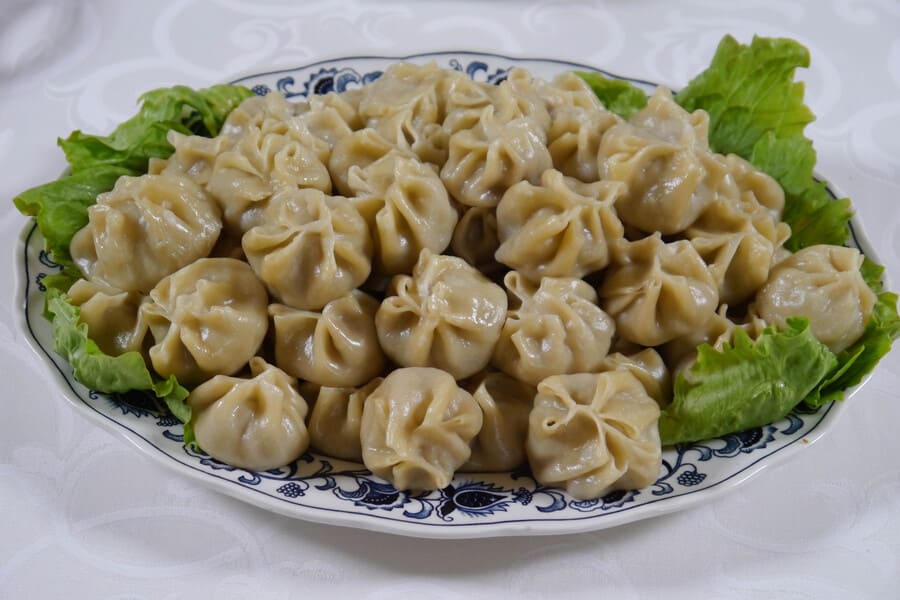
Buuz (pronounced roughly as "boats") are traditional Mongolian dumplings made from a simple unleavened dough and filled with seasoned minced meat. These steamed filled pockets are a staple of everyday Mongolian life and hold deep cultural significance, particularly during the Lunar New Year celebration known as Tsagaan Sar.
The dish is believed to have origins tied to the broader Mongolian nomadic lifestyle, where meat, particularly mutton and beef, formed the backbone of the diet. Because nomadic families had limited access to fresh vegetables and relied heavily on livestock, Buuz became a natural, practical, and deeply satisfying food that could be made in large batches and shared communally.
Today, Buuz is recognized not only as comfort food but also as a symbol of Mongolian identity. Families gather to make hundreds, sometimes thousands, of these steamed meat dumplings in the days leading up to Tsagaan Sar. The act of making steamed meat dumpling is itself a social ritual, with multiple generations sitting together to fold and shape each dumpling by hand.
What Ingredients Are Used in Traditional Mongolia Dumplings?
The beauty of traditional Buuz lies in its simplicity. The ingredient list is short, but the quality of each component matters greatly.
For the dough:
- All-purpose white flour
- Water (sometimes slightly warm)
- A pinch of salt
For the filling:
- Minced mutton or beef (mutton is the most traditional choice)
- Onion, finely chopped
- Salt and black pepper
- Optionally, garlic or a small amount of water or broth to keep the filling moist
That is essentially it. There are no heavy sauces, no elaborate spice blends. The flavor of Buuz comes primarily from the quality of the meat and the natural fat content, which renders beautifully during steaming and creates a juicy, savory interior.
In modern kitchens and urban restaurants, some cooks experiment with additions like carrot, cabbage, or mixed herbs, but purists will tell you that the most authentic Mongolian dumplings are made strictly with meat and onion. The dough itself is kept plain and slightly thick to hold up against the steam without tearing.
How Buuz Is Made: Step-by-Step Preparation Process
Making Buuz is a hands-on process that requires a bit of practice, particularly when it comes to the folding technique. Here is a breakdown of how this iconic dish is prepared from scratch.
Preparing the Dough and Filling
Begin by mixing flour and water with a pinch of salt until a smooth, firm dough forms. The dough should not be too soft or sticky. It is then kneaded thoroughly and allowed to rest for around 20 to 30 minutes, covered with a cloth, so it becomes more pliable and easier to roll.
While the dough rests, prepare the filling by combining minced mutton or beef with finely chopped onion, salt, and black pepper. Many Mongolian cooks add a small splash of water or broth into the filling to ensure the interior remains moist and juicy after steaming. The filling is mixed well by hand until it holds together cohesively.
Folding and Shaping Buuz
Once the dough has rested, it is divided into small balls roughly the size of a golf ball. Each ball is rolled out into a round disc, thinner at the edges and slightly thicker in the center to provide structural support.
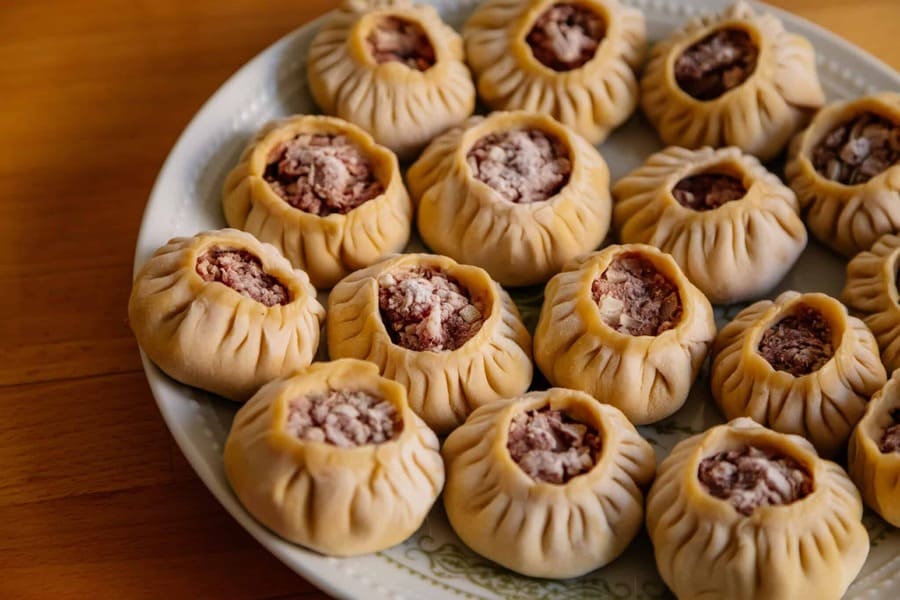
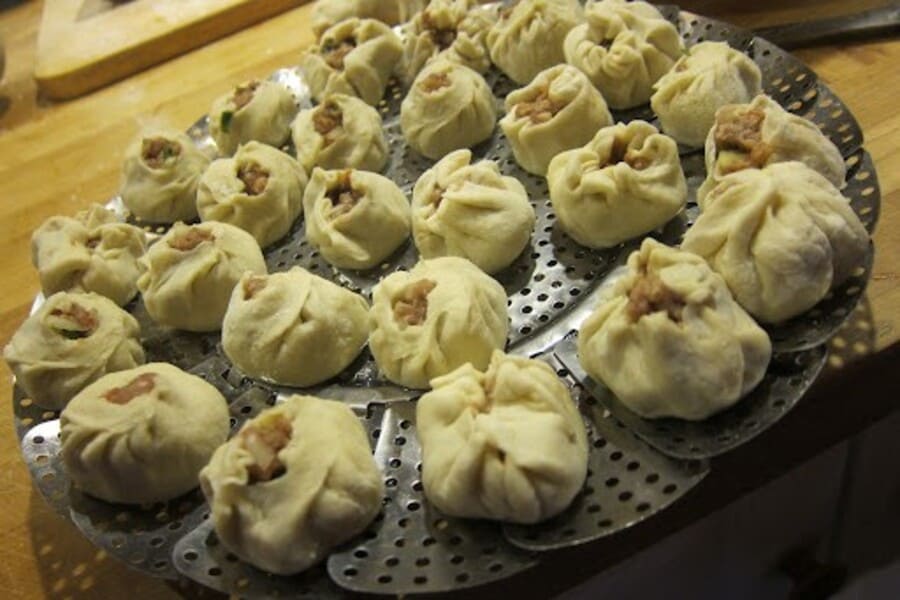
A spoonful of filling is placed in the center of the disc. The edges are then gathered and pleated together in a distinctive pattern, leaving a small opening at the top. This top hole is a hallmark feature of Buuz and distinguishes them from other Mongolian dumplings. The pleating technique can take time to master, but even imperfectly shaped Buuz taste just as delicious.
Traditionally, skilled makers aim for around 33 pleats per dumpling, a number that is said to be associated with good luck and craftsmanship. In households preparing for Tsagaan Sar, the making of Buuz becomes almost a competitive art form.
Steaming the Dumplings to Perfection
Buuz are cooked in a multi-tiered bamboo or metal steamer over boiling water. The base of each dumpling is lightly greased or the steamer tray is oiled to prevent sticking. They are arranged with enough space between them to allow steam to circulate freely.
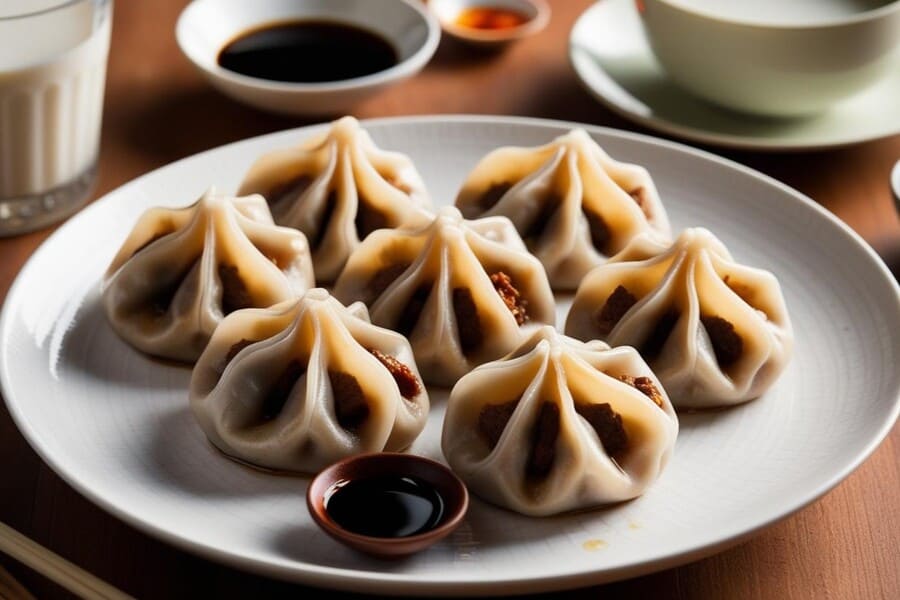
Steaming time is typically around 20 to 25 minutes over medium-high heat. You know the steamed meat dumplings are ready when the dough has turned opaque and slightly translucent, and a toothpick inserted into the filling comes out clean. The result is a soft, glistening dumpling with a succulent meat interior.
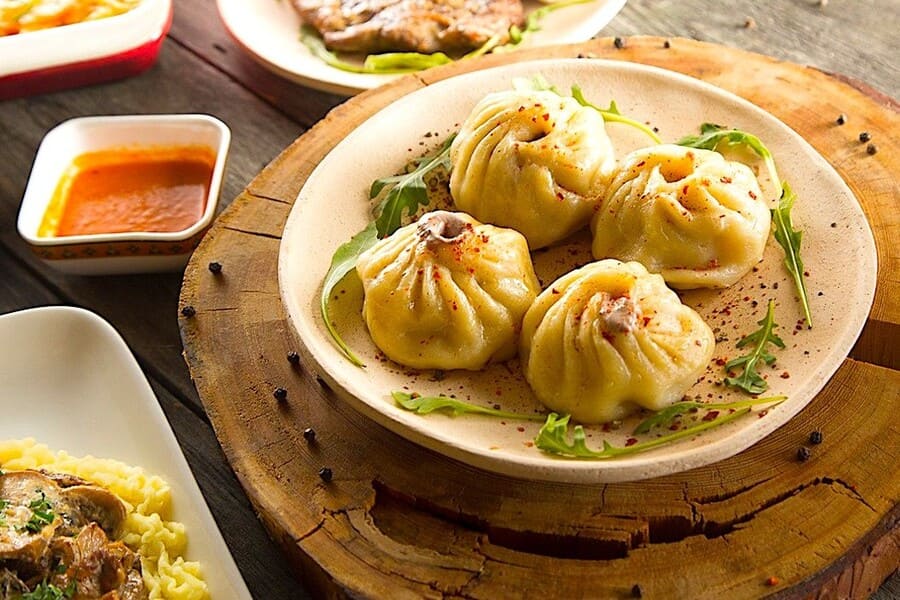
Steamed meat dumplings are always eaten hot, straight from the steamer. Biting into one releases a small burst of flavorful broth from the meat filling, which is a deeply satisfying experience.
Buuz vs. Other Mongolian Dumplings: What's the Difference?
Mongolia has several types of dumplings in its culinary repertoire, and while they share some similarities, each has its own distinct identity and preparation method.
Buuz vs. Khuushuur
Khuushuur is often described as the fried cousin of Buuz. While both are made with a similar meat filling and dough, Khuushuur is flattened into a half-moon shape and deep-fried rather than steamed. The result is a crispy, golden exterior with a rich, greasy interior. Khuushuur is especially popular during the Naadam Festival, Mongolia's famous summer celebration of the "Three Games of Men," where vendors sell them by the dozens along the festival grounds. Buuz, by contrast, has a soft and delicate dough exterior that absorbs the steam, creating a lighter texture overall.
Buuz vs. Bansh
Bansh are much smaller versions of Mongolian dumplings and can be either steamed, boiled, or fried. They are often added to soups and stews or served as a quick snack. While they use a similar filling, their miniature size means they cook much faster and have a higher dough-to-meat ratio per bite. Buuz are considerably larger and are always served as a main dish rather than an add-in or side component. The generous size of Buuz also means each dumpling delivers a more substantial mouthful of filling and a more satisfying eating experience.
Where to Try Authentic Buuz in Mongolia
If you are visiting Mongolia, tracking down authentic Buuz is not difficult at all. They are widely available and deeply embedded in the food culture of the country.
Ulaanbaatar is the best starting point. Dedicated steamed meat dumplings restaurants, locally known as "Buuz guanz," can be found on nearly every street corner. These are often simple, no-frills eateries where freshly made steamed meat dumplings are served by the plateful alongside hot milk tea. Some well-regarded spots include Modern Nomads restaurant and Millie's Espresso, which cater to both locals and tourists with varying levels of authenticity and ambiance.
For the most authentic experience, visiting a Mongolian family during Tsagaan Sar is unparalleled. Many Mongolia tour operators include homestay experiences during this period, giving travelers the rare opportunity to sit with a family, help fold Buuz, and share in the New Year celebrations. This is considered one of the most culturally immersive experiences available in the country.
Outside of the capital, Buuz can be found in local eateries across provincial towns and even in remote ger camps that host travelers. The quality and flavors may vary slightly by region depending on whether mutton or beef is more locally available, but the spirit of the dish remains consistent throughout the country.
Price of Steamed Meat Dumplings
One of the most appealing aspects of Buuz is how affordable it is. In local restaurants and street-level eateries in Ulaanbaatar, a plate of Buuz typically contains around five to ten dumplings and costs between 3,000 and 7,000 Mongolian Tugrik, which translates to roughly one to two US dollars. It is genuinely one of the most budget-friendly satisfying meals you can find anywhere in the city.
At higher-end restaurants or tourist-oriented establishments, prices may be slightly higher, ranging from 8,000 to 15,000 Tugrik per serving, but the quality is often elevated with better-quality meat, refined dough work, and improved presentation.
During Tsagaan Sar, Buuz are almost never sold commercially, as the tradition dictates that they be made at home and offered as a gesture of hospitality and celebration. If you are invited into a Mongolian home during this period, accepting Buuz is considered a sign of respect and goodwill.
Frequently Asked Questions About Buuz
Is Buuz Always Made with Meat?
Traditionally, yes. The overwhelming majority of authentic Buuz are made with minced mutton or beef, reflecting the meat-centric diet of Mongolian nomadic culture. However, as Mongolia has become more connected with global food trends, vegetarian adaptations have begun appearing in some urban restaurants. These versions may use vegetable-based fillings such as mushrooms, cabbage, or tofu, but they are not considered traditional and remain rare. If you have dietary restrictions, it is worth asking ahead, as most classic Buuz contain meat and onion as standard.
Can Buuz Be Frozen and Reheated?
Absolutely, and this is actually a very common practice in Mongolian households. After shaping the raw Buuz, they can be placed on a tray, frozen individually, and then stored in bags for later use. In fact, during Tsagaan Sar preparations, families often make Buuz in batches of hundreds and freeze them to be steamed as needed throughout the celebration period.
To reheat frozen Buuz, simply place them in the steamer directly from frozen and add a few extra minutes to the steaming time, typically around 25 to 30 minutes total. The texture remains excellent, and the flavor is largely preserved. Microwaving is not recommended as it can make the dough rubbery and the filling uneven in temperature.
What Is the Best Time to Eat Buuz in Mongolia?
Buuz can be enjoyed year-round in Mongolia, but there is no question that the most special time to experience them is during Tsagaan Sar, the Lunar New Year, which typically falls in January or February. During this period, the making and sharing of Buuz is elevated to an almost ceremonial status. Families invest enormous effort into preparing them, and the act of offering Buuz to guests is a meaningful expression of warmth and goodwill.
For travelers, visiting Mongolia in late January or February with a well-planned itinerary that includes cultural immersion during Tsagaan Sar is a truly unforgettable experience. Outside of this festival season, Buuz remain a daily staple that is readily available and always freshly made, making any time of year a good time to enjoy these iconic steamed filled pockets.
From the simple ingredients to the communal act of folding each dumpling by hand, Buuz represents far more than just a meal. It is a window into the soul of Mongolian culture, a dish that connects generations, honors tradition, and welcomes guests with open arms. No visit to Mongolia is truly complete without sitting down to a steaming plate of these magnificent Mongolian dumplings and savoring every juicy, flavorful bite.

