
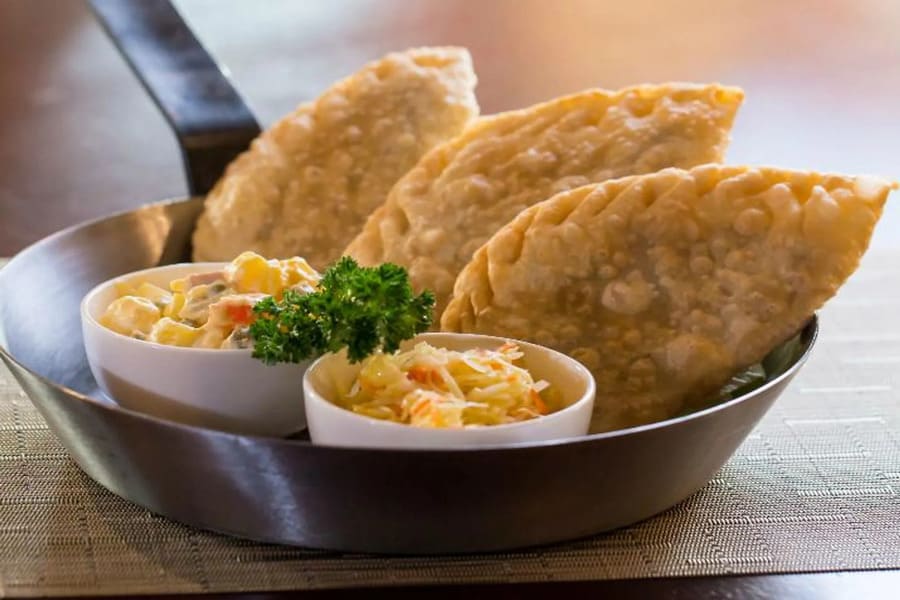
If you are planning a mongolia tour and want to experience the country's rich culinary heritage, then Khuushuur is one dish you simply cannot miss. Known as the ultimate street food and festival staple of the Mongolian steppe, this golden, crispy fried pastry filled with seasoned meat has been warming the hearts and bellies of nomadic families for centuries. Whether you encounter it at a bustling Naadam Festival or in the modest kitchen of a ger (traditional Mongolian tent), Khuushuur represents something far deeper than just food. It is a symbol of Mongolian hospitality, tradition, and the enduring spirit of a nomadic culture.
In this comprehensive guide, we take you through everything you need to know about Khuushuur: its origins, ingredients, preparation method, the best places to find it, its price, and answers to the most common questions travelers ask. Read on to discover why this humble yet irresistible dish deserves a top spot on every food lover's Mongolia bucket list.
What Is Khuushuur?
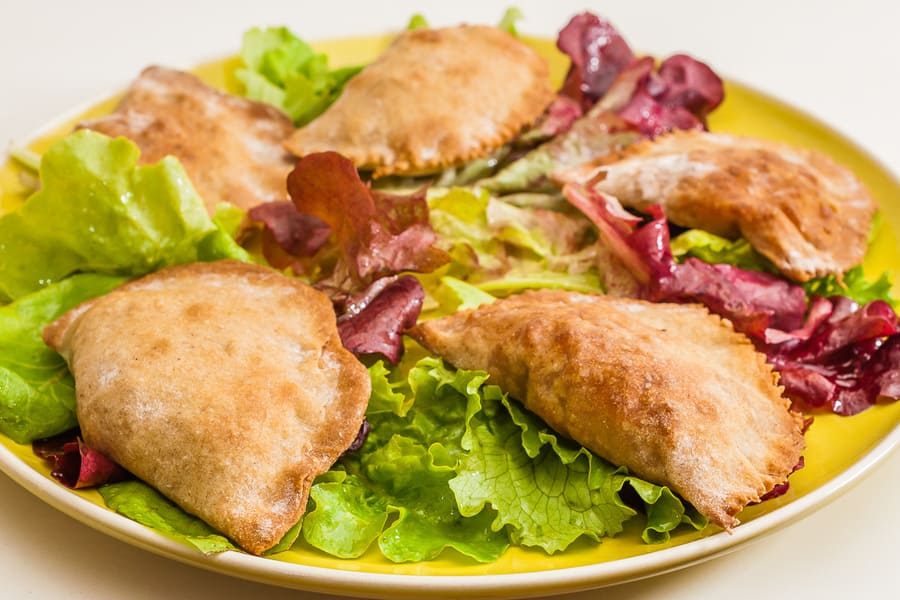
Khuushuur (pronounced approximately as "khoo-sher") is a traditional Mongolian deep-fried meat pastry made from unleavened dough wrapped around a savory meat filling and cooked in hot oil until golden and crisp. The result is a half-moon or oval-shaped pocket of joy with a flaky, slightly chewy exterior and a juicy, flavorful interior.
Often described as a Mongolian fried meat pastry, Khuushuur shares a distant kinship with other Asian dumplings and pastries, yet it stands entirely on its own in terms of taste, texture, and cultural significance. Unlike steamed dumplings such as the closely related buuz, Khuushuur is always deep-fried, giving it a distinct crunch and richness that sets it apart.
Historically, Khuushuur has been a practical food for Mongolia's nomadic people. Easy to prepare over an open fire, portable, filling, and made from locally available ingredients like mutton and flour, it suited the demanding lifestyle of herders moving across the vast Mongolian landscape. Today, it remains one of the most beloved and widely consumed dishes in the country, found everywhere from family gatherings to large-scale national celebrations.
Traditional Ingredients Used in Khuushuur
The beauty of Khuushuur lies in its simplicity. The ingredient list is short, but the quality of each component matters enormously. Here is a closer look at what goes into a traditional Khuushuur.
The Dough
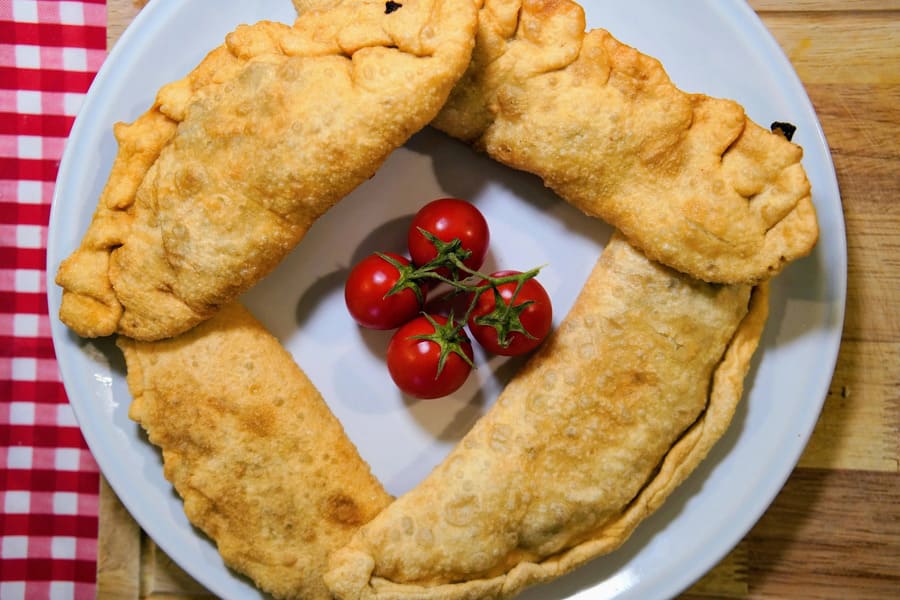
The dough used for Khuushuur is made from just three basic ingredients: wheat flour, water, and a small amount of salt. Unlike bread dough, it contains no yeast or leavening agent, which gives the finished pastry its characteristic dense yet pliable texture. The dough must be kneaded thoroughly until it becomes smooth and elastic, then rested for a period before being rolled out thin and cut into circles or ovals. This simplicity in the dough is part of what made Khuushuur such a practical meal for nomadic life, as flour, water, and salt were always available even in the remotest parts of the steppe.
The Meat Filling
The filling is where the bold, distinctive flavor of Khuushuur really shines. Traditionally, mutton or lamb is the primary protein, reflecting Mongolia's deep reliance on sheep as both a food source and a symbol of wealth. The meat is minced or finely chopped and seasoned with salt, onions, and sometimes garlic or wild garlic for extra depth. Some cooks add a pinch of black pepper, though seasoning remains minimal by global standards. The focus is always on the natural flavor of the meat itself.
In modern variations, particularly in urban areas of Ulaanbaatar, beef, horse meat, or even combinations of meats may be used. However, purists and those in rural Mongolia still consider mutton to be the only authentic choice. The fat content of the meat is important too: a good amount of fat ensures the filling stays juicy and flavorful during the frying process.
How Khuushuur Is Made
Making Khuushuur is a skill that Mongolian families pass down through generations. The process is straightforward but requires practice to perfect, particularly when it comes to sealing the pastry properly so it does not burst during frying.
Preparing the Dough and Filling
The process begins by mixing the dough ingredients together and kneading until the texture is uniform and smooth. The dough is then left to rest under a cloth for about 20 to 30 minutes, which helps relax the gluten and makes it easier to roll. Meanwhile, the meat filling is prepared by combining minced mutton with finely diced onions, salt, and any additional seasoning. Some cooks add a small splash of water to the filling to keep it moist. The filling should be well-mixed but not over-worked, to retain its texture.
Shaping the Mongolian Meat Pockets
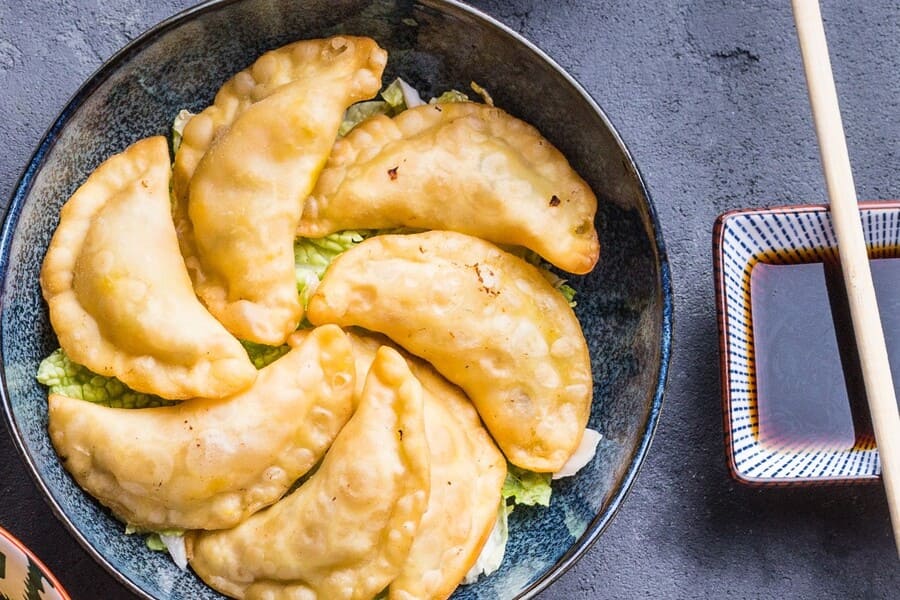
This is perhaps the most defining step in making Khuushuur. The rested dough is rolled out on a floured surface to a thickness of about 2 to 3 millimeters and then cut into round or oval shapes, roughly the size of a palm. A generous spoonful of meat filling is placed in the center of each dough round. The edges are then folded over to enclose the filling, and the seam is pressed and crimped tightly to form the signature half-moon shape of these Mongolian meat pockets. The crimping is not just decorative; it must be thorough and firm to prevent the filling from leaking out during frying.
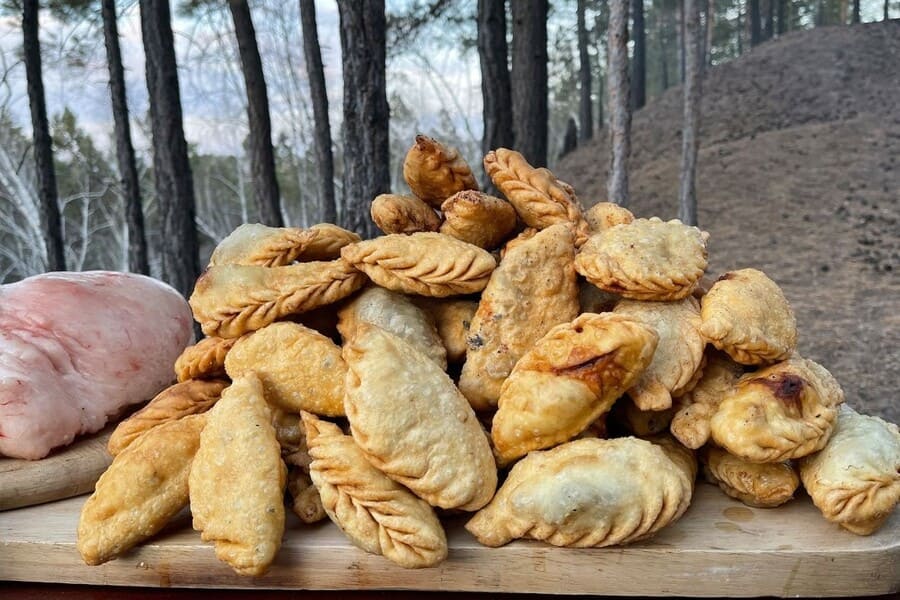
Traditional Mongolian cooks develop a distinctive crimping technique unique to their family or region, and watching an experienced cook shape dozens of Khuushuur with speed and precision is genuinely impressive. The finished unbaked pastries are often lined up on a floured board, ready for the final stage.
Deep-Frying to Golden Perfection
The Khuushuur are deep-fried in hot oil, traditionally in a large cast-iron pan or a wok-style vessel set over an open flame or a stove. The oil must be hot enough to ensure the pastry cooks quickly and crisps up beautifully without absorbing too much grease. Each Khuushuur is submerged in the oil and fried for several minutes per side until it turns a deep, even golden brown. The exterior becomes wonderfully crunchy while the interior steams and cooks through, ensuring the meat filling is fully cooked and bursting with savory juices.
Fresh from the oil, Khuushuur is best enjoyed immediately while still hot and crispy. Many Mongolians eat them plain, savoring the natural flavor of the meat and pastry, though some prefer to dip them in a light soy sauce or a simple vinegar-based condiment.
Best Places to Try Khuushuur in Mongolia
For travelers seeking the most authentic and memorable Khuushuur experience, Mongolia offers no shortage of options. Here are some of the best settings and locations to try this beloved dish.
The Naadam Festival, held every July across Mongolia and most grandly in Ulaanbaatar, is arguably the single best occasion to eat Khuushuur. Vendors line the festival grounds selling freshly fried Khuushuur by the dozens, and the festive atmosphere makes the experience even more memorable. The aroma of frying pastry mingling with the sounds of traditional music and the cheers of wrestling crowds is something truly unforgettable.
In Ulaanbaatar, the capital city, Khuushuur can be found at local restaurants, market stalls, and fast-food style eateries throughout the city. The Narantuul Market area, often called the Black Market, is well known for affordable street food including Khuushuur. The State Department Store area also has several accessible eateries serving it.
For a more immersive experience, staying with a nomadic family in the countryside offers the chance to enjoy homemade Khuushuur prepared fresh in a ger. This is, without question, the most authentic version of the dish, as families prepare it using meat from their own livestock and recipes handed down through generations. Many organized tours that include ger camp stays will incorporate a Khuushuur cooking demonstration or meal as part of the experience.
Restaurants specializing in Mongolian cuisine in Ulaanbaatar, such as Modern Nomads Restaurant or Khaan Buuz, typically have Khuushuur on their menus in a clean, comfortable setting suitable for travelers who prefer a sit-down meal.
Price of Khuushuur
Khuushuur is one of the most budget-friendly foods in Mongolia, making it accessible to all types of travelers. At street stalls and markets, individual pieces of Khuushuur typically cost between 500 and 1,000 Mongolian Tugrik (MNT) each, which equates to roughly USD 0.15 to 0.30 per piece at current exchange rates. At local restaurants, a serving of three to five pieces might be priced between 3,000 and 8,000 MNT (approximately USD 0.90 to 2.30).
During the Naadam Festival, prices can be slightly higher due to demand, but Khuushuur remains one of the most affordable festival foods available. At mid-range or tourist-oriented restaurants in Ulaanbaatar, a full serving might cost up to 10,000 to 15,000 MNT (approximately USD 3 to 4.50), still representing excellent value for the quality and experience provided.
It is worth noting that the price varies depending on the size of the pastry and the type of meat used. Mutton-filled versions are typically the most affordable, while beef or mixed-meat versions may carry a small premium in restaurant settings.
Frequently Asked Questions About Khuushuur
Is Khuushuur the Same as Mongolian Meat Pockets?
Yes, the term Mongolian meat pockets is simply an English descriptive phrase commonly used to explain what Khuushuur is to international audiences unfamiliar with Mongolian cuisine. Both terms refer to exactly the same dish: the deep-fried, meat-filled dough pastry that is a staple of Mongolian food culture. The word Khuushuur itself comes from the Mongolian language and is the proper name used locally.
What Meat Is Traditionally Used in Khuushuur?
Mutton (sheep meat) is the most traditional and widely used meat in Khuushuur, reflecting Mongolia's pastoral heritage and the central role of sheep in nomadic life. Lamb is also used, particularly when younger, more tender meat is available. In contemporary Mongolia, especially in urban areas, beef and horse meat are common alternatives. Mixed-meat fillings, combining mutton and beef or mutton and horse, are also popular. Pork is rarely used in traditional Mongolian cooking due to historical and cultural dietary patterns.
Can Vegetarians Eat Khuushuur?
Traditional Khuushuur is not suitable for vegetarians, as the filling is entirely meat-based and the dish is deeply embedded in a culinary tradition centered on animal products. However, as vegetarianism and plant-based eating become more prevalent globally, some restaurants in Ulaanbaatar have started experimenting with vegetarian versions using fillings such as cabbage, potato, carrot, and onion. These vegetarian adaptations are not widely available outside the capital city, and travelers with dietary restrictions should confirm with the restaurant or vendor before ordering.
For vegetarian travelers, it is advisable to research vegetarian-friendly restaurants in Ulaanbaatar in advance and to communicate dietary needs clearly when visiting rural areas where meat is a fundamental part of the diet.
Where Can Tourists Find the Best Khuushuur in Mongolia?
The best Khuushuur can be found in a variety of settings across Mongolia. For authenticity and cultural immersion, a ger camp stay in the countryside where meals are prepared by local nomadic families is the gold standard. For convenience and variety, Ulaanbaatar's local restaurants and markets provide excellent options. The Naadam Festival in July offers a unique combination of incredible food, festive atmosphere, and cultural experience that makes for the most memorable setting to enjoy Khuushuur.
Travelers should not be afraid to try Khuushuur from street stalls and market vendors, as these often produce some of the freshest and most flavorful versions of the dish. The high turnover at busy stalls means the oil is fresh and the pastries are made to order. Joining a food-focused walking tour in Ulaanbaatar is another excellent way to sample Khuushuur alongside other Mongolian specialties with the guidance of a knowledgeable local.
Khuushuur is far more than a simple fried snack. It is an edible piece of Mongolian history, culture, and identity. As a Mongolian fried meat pastry that has nourished nomadic families for centuries and continues to delight both locals and international visitors today, it represents the very soul of Mongolian cuisine: hearty, honest, and deeply satisfying.
Whether you are biting into one fresh from a festival stall during Naadam, watching a Mongolian grandmother expertly crimp the edges in a ger kitchen, or sitting down in a cozy Ulaanbaatar restaurant with a plate of golden-brown Khuushuur and a warm bowl of soup, the experience is one you will carry with you long after your Mongolia adventure comes to an end. Make sure Khuushuur is at the very top of your Mongolian food itinerary. You will not regret it.

